


-

Add: HeBei ShengShi HongBang Cellulose Technology CO.,LTD.
-

Email
13180486930@163.com -

CONTACT US
+86 13180486930



Polypropylene fiber is a key solution in the manufacturing industry, specifically within Manufacturing of building materials and Concrete admixture. This article explores how HeBei ShengShi HongBang Cellulose Technology CO.,LTD. supports professionals with durable, high-performance products, and explains why this product is an ideal choice for businesses in these sectors. Table of Contents Polypropylene Fiber Overview Benefits & Use Cases of Polypropylene Fiber in Concrete Admixture Cost, Maintenance & User Experience Sustainability & Market Trends in Manufacturing Conclusion on Polypropylene Fiber from HeBei ShengShi HongBang Cellulose Technology CO.,LTD. Polypropylene Fiber Overview In the dynamic realm of modern construction and infrastructure, the integrity and longevity of building materials are paramount. This is where polypropylene fiber emerges as a crucial additive, significantly enhancing the performance of concrete. As a microfiber synthetic solution, it plays a vital role across the entire manufacturing supply chain, particularly within the Manufacturing of building materials sector, and more specifically in Concrete admixture applications. These fibers are meticulously engineered to disperse uniformly throughout the concrete matrix, acting as a microscopic reinforcement system. When mixed into fresh concrete, pp fiber helps to mitigate plastic shrinkage cracking, which is a common issue during the curing process. Its technical specifications typically include varying lengths and diameters, tailored to specific application demands, offering excellent chemical resistance, non-corrosive properties, and high tensile strength. HeBei ShengShi HongBang Cellulose Technology CO.,LTD. stands as a reliable manufacturer, providing high-quality polypropylene fibre solutions that meet rigorous industry standards, ensuring superior performance for your concrete projects. Benefits & Use Cases of Polypropylene Fiber in Concrete Admixture The integration of polypropylene fiber into concrete mixtures offers a myriad of benefits, making it an indispensable component in many Concrete admixture applications. Its primary function is to provide multi-directional reinforcement, effectively controlling and reducing the formation of micro-cracks that occur during plastic settlement and drying shrinkage. This leads to significantly enhanced durability and improved service life for concrete structures. Specific applications are wide-ranging and include slabs-on-grade, industrial flooring, precast concrete elements, shotcrete, pavements, and overlays. The inclusion of pp fiber concrete also boosts impact resistance, abrasion resistance, and freeze-thaw durability, crucial for structures exposed to harsh environmental conditions. Compared to traditional reinforcement methods, microfiber synthetic solutions like ours are easier to mix and distribute, ensuring a more consistent and robust final product. HeBei ShengShi HongBang Cellulose Technology CO.,LTD. possesses extensive expertise in developing and supplying premium polypropylene fibre tailored for these demanding applications, ensuring that our clients achieve optimal structural performance and longevity. Cost, Maintenance & User Experience While the initial cost of integrating polypropylene fiber might be a consideration, the total cost of ownership (TCO) reveals a compelling return on investment (ROI) for B2B decision-makers in the Manufacturing of building materials sector. By significantly reducing plastic shrinkage cracking and enhancing the overall durability of pp fiber concrete , the need for costly repairs and maintenance over the lifespan of the structure is dramatically minimized. Our polypropylene fibre concrete results in fewer defects and an extended service life, translating directly into long-term savings. Feedback from our customers consistently highlights the ease of integration and the tangible improvements in concrete performance. Users report excellent workability with our microfiber synthetic products, experiencing smooth mixing and placement without compromising the concrete’s rheology. Furthermore, the enhanced resistance to impact and abrasion means that surfaces remain aesthetically pleasing and structurally sound for longer, a critical factor for facilities and infrastructure where appearance and safety are paramount. HeBei ShengShi HongBang Cellulose Technology CO.,LTD. is committed to delivering products that not only perform exceptionally but also offer true economic value. Sustainability & Market Trends in Manufacturing In today's global manufacturing landscape, sustainability is no longer an option but a necessity. The adoption of polypropylene fiber in concrete admixture aligns perfectly with the drive towards more sustainable building practices. By extending the lifespan of concrete structures and reducing the incidence of early-age cracking, pp fiber concrete contributes to resource efficiency, as less material needs to be repaired or replaced over time. This reduces the carbon footprint associated with maintenance and new construction. The market trend in the Manufacturing of building materials points towards high-performance, durable, and environmentally responsible solutions. Regulatory frameworks are increasingly emphasizing product longevity and reduced environmental impact, making polypropylene fibre an increasingly attractive option. HeBei ShengShi HongBang Cellulose Technology CO.,LTD. is proud to be a forward-thinking and eco-conscious supplier, continually innovating our microfiber synthetic products to meet these evolving demands. We are dedicated to supporting our partners in achieving their sustainability goals while delivering uncompromising quality and performance. Conclusion on Polypropylene Fiber from HeBei ShengShi HongBang Cellulose Technology CO.,LTD. The strategic incorporation of polypropylene fiber is undeniably a smart investment for any entity operating within the manufacturing of building materials, especially in Concrete admixture. From its unparalleled ability to control plastic shrinkage cracking and enhance durability to its contributions to sustainable construction, pp fiber concrete offers a distinct competitive advantage. HeBei ShengShi HongBang Cellulose Technology CO.,LTD. is renowned for its commitment to quality, innovation, and customer satisfaction, providing top-tier polypropylene fibre solutions that empower businesses to build stronger, more resilient structures. Choose our advanced microfiber synthetic products to ensure your projects stand the test of time and deliver exceptional long-term value. Partner with us to elevate your concrete performance. Contact us: email: 13180486930@163.com Visit our website: https://www.sshbhpmc.com
- 40000tons

Production
- 20+years

Experience
- 5000+㎡

Acreage

-
Jute synthetic fiber represents a groundbreaking innovation in the textile industry, blending traditional natural fibers with modern synthetic technology to create a versatile and eco-friendly product. Combining the historical significance of jute with the cutting-edge benefits of synthetic fibers, this blend is revolutionizing the textile realm through durability, environmental sustainability, and economic feasibility. Historically, jute has been a staple natural fiber, known for its strength and biodegradability, extensively used in making ropes, sacks, and coarse cloth. The transition to incorporating synthetic elements aims to overcome some of the limitations inherent in natural jute, such as susceptibility to moisture and its relatively coarse texture. By infusing jute with synthetic fibers, manufacturers have managed to retain the desirable properties of natural jute—such as its biodegradability and strength—while enhancing its resilience to wear and tear and offering a smoother texture. In the realm of experience, consumers and industry experts alike note improvements in the tactile experience of jute synthetic fiber products. Unlike pure jute products, the blended fibers offer enhanced comfort and usability in apparel and home textiles, making them more appealing to a broader audience. Users have reported that jute synthetic fiber maintains its structure and appearance even after prolonged use, offering a longer-lasting alternative to traditional jute products. From an expert perspective, the synthesis of jute with synthetic materials involves advanced technological processes and precise scientific formulations to ensure that the integrity of the natural fiber is maintained while enhancing its properties. Manufacturers are utilizing state-of-the-art technologies like nanotechnology to achieve fiber uniformity and strength. This includes controlling the molecular amalgamation of synthetic polymers with jute at microscopic levels to precisely tailor the fabric’s properties, such as elasticity, texture, and water resistance. jute synthetic fibre The authoritativeness of jute synthetic fiber in the industry is backed by numerous studies and endorsements from environmental organizations. With increasing global emphasis on reducing natural resource exploitation and minimizing environmental footprints, this hybrid fiber addresses crucial sustainability issues. Studies have evidenced that products made from jute synthetic fiber require less water and pesticides during crop cultivation compared to cotton and other natural fibers, and the lifecycle analysis shows a reduction in carbon emissions due to its enhanced durability and recyclability. Trustworthiness comes from the transparent production processes adopted by companies pioneering this material. Leading firms are investing in open-source research and collaborating with environmental NGOs to ensure ethical sourcing and manufacturing processes, thus providing end consumers with products they can trust. Certifications from international textile standard organizations further cement the reliability of jute synthetic fibers as a sustainable choice in an increasingly eco-conscious market. In product-specific applications, jute synthetic fibers are gaining traction in a variety of areas . In the fashion industry, they are used to create eco-friendly clothing and accessories that are not only stylish but come with enhanced longevity and are kinder to the environment compared to conventional materials. In furnishings, they are utilized for making carpets and curtains that combine the rustic appeal of natural jute with the sleek finish and robustness inherent in synthetic fibers. Additionally, this unique fiber blend has found applications in industrial sectors for producing geotextiles, which aid in erosion control and landscaping, offering an economically viable and environmentally sustainable option. Ultimately, the fusion of jute with synthetic fiber is more than just a trend; it’s a response to modern demands for sustainability, performance, and responsibility within the textile industry. As both industries and consumers pivot towards more sustainable choices, jute synthetic fiber stands at the forefront, providing innovative solutions that marry the past's practicality with the future's innovation. Whether you're a manufacturer, designer or consumer, the adoption of jute synthetic fiber signifies not just an investment in quality and sustainability, but also a commitment to supporting a more environmentally friendly and socially responsible future.
-
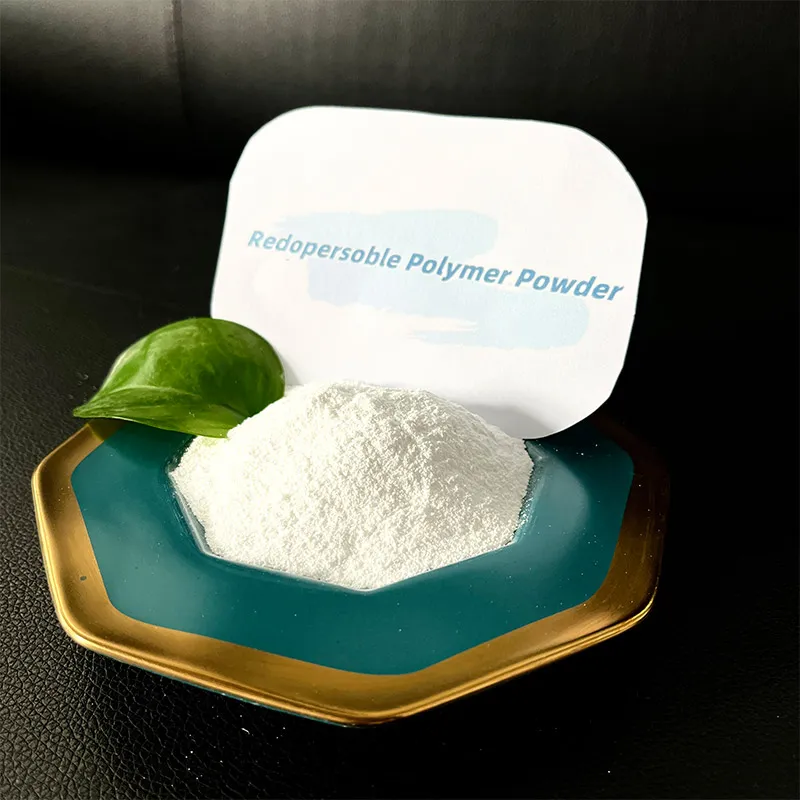
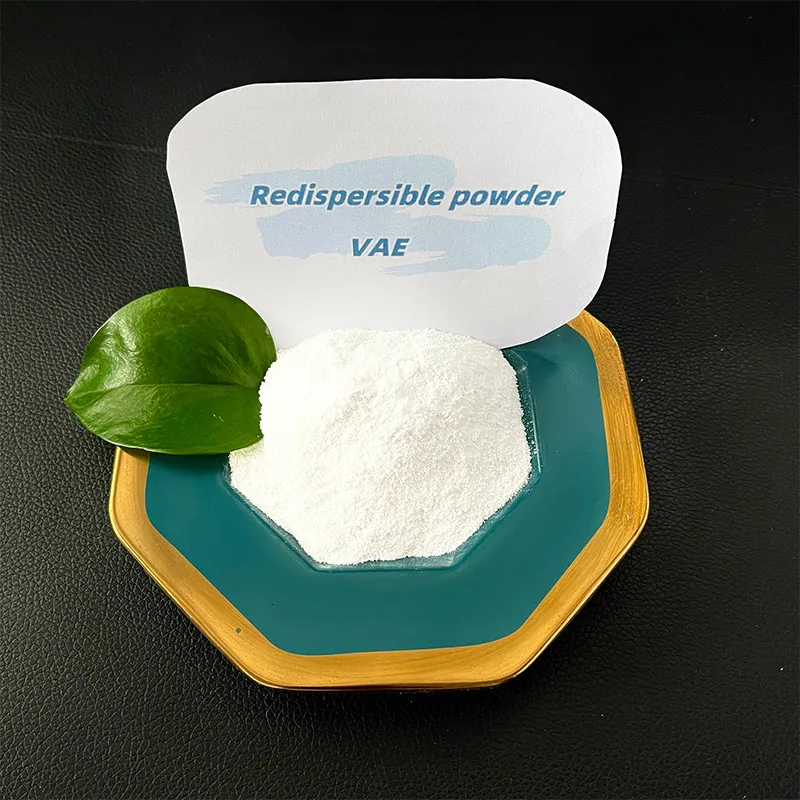
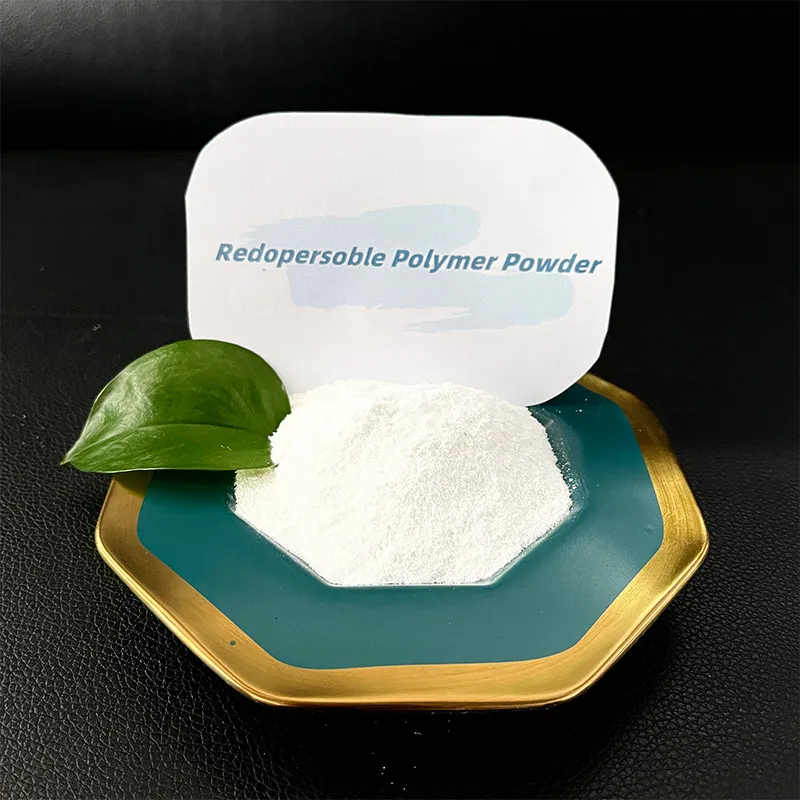
Redispersible emulsion powder is a vital ingredient in modern construction materials, offering numerous benefits in terms of performance and durability. This polymer powder is used in various building products such as cement, plaster, tile adhesives, and dry mix mortar. When added to these materials, redispersible emulsion powder improves flexibility, adhesion, and water retention, resulting in stronger and more durable constructions. The primary function of redispersible emulsion powder is to enhance the properties of dry mix products. It enables the mixture to be re-dispersed in water, which activates the polymer, improving its performance when applied in real-world conditions. For example, when used in plaster, it enhances adhesion to surfaces, making it more resistant to cracking. Similarly, when used in tile adhesives, it ensures better bonding and reduces the likelihood of tiles coming loose over time. In addition to providing superior technical benefits, redispersible emulsion powder is also cost-effective. It allows manufacturers to create high-performance building materials without increasing the overall cost. For construction professionals, this translates into high-quality results at a lower cost, which is essential for both large-scale projects and smaller, budget-conscious renovations. Ethylene Vinyl Acetate Powder: A Versatile Polymer in Construction Another essential polymer used in the construction industry is ethylene vinyl acetate powder (EVA powder) . This versatile material is widely used as an additive in construction products to improve their strength, durability, and flexibility. EVA powder is a copolymer made by combining ethylene and vinyl acetate, offering unique properties such as increased impact resistance, higher tensile strength, and improved flexibility. In the context of construction, ethylene vinyl acetate powder is used to enhance the properties of coatings, adhesives, and flooring materials. For example, when added to tile adhesives, it ensures that the adhesive remains flexible over time, preventing cracks and improving its ability to withstand temperature fluctuations. Similarly, in the production of flooring materials, EVA powder provides additional cushioning, making the floors more comfortable and durable. What makes ethylene vinyl acetate powder particularly valuable in construction is its ability to improve the workability of materials. It reduces the viscosity of adhesives and coatings, making them easier to apply and spread. The result is smoother, more efficient application processes, which save both time and labor costs. Additionally, EVA powder is known for its resistance to UV rays and chemicals, ensuring that construction materials remain strong and reliable over time, even when exposed to harsh environmental conditions. Polymers for Detergent Powder: Enhancing Performance and Efficiency While redispersible emulsion powder and ethylene vinyl acetate powder are widely known in the construction industry, their cousin – polymer for detergent powder – plays a crucial role in the detergent industry. Polymers in detergent powders are essential for improving their efficiency and performance, especially in terms of cleaning power and fabric protection. Polymers for detergent powder enhance the dispersibility of the powder in water, ensuring that the detergent can spread evenly across fabrics and dissolve effectively. They also help reduce the formation of residues, ensuring that detergents work at their best without leaving behind unwanted residues on clothing. Additionally, these polymers can be engineered to help control the release of detergents, enhancing their ability to clean in a variety of washing conditions. Another important benefit of polymer for detergent powder is its ability to help soften fabrics. Polymers like polyacrylates or polycarboxylates, which are commonly used in detergents, create a protective layer around fibers, reducing friction and wear and tear. This feature is particularly beneficial in laundry applications, as it not only improves the longevity of fabrics but also enhances their feel and appearance. Redispersible Polymer Powder Manufacturers: Key Players in Innovation When it comes to sourcing redispersible polymer powder , finding a reliable and experienced manufacturer is key to ensuring high-quality products. Redispersible polymer powder manufacturers play a crucial role in the supply chain, providing construction companies with the materials necessary to produce superior building products. These manufacturers invest in research and development to continuously improve the performance and properties of their products. By working with redispersible polymer powder manufacturers , businesses can access the latest innovations in polymer technology, ensuring that they are using the best materials available for their projects. Additionally, many manufacturers provide tailored solutions, customizing the polymer blends to suit specific applications or environmental conditions. The growing demand for high-performance building materials means that redispersible polymer powder manufacturers are also expanding their production capabilities to meet the needs of the global market. Whether it's in large-scale commercial projects or residential construction, the role of these manufacturers in supporting the industry cannot be overstated. How Redispersible Polymers and Additives Shape Construction and Detergent Products The impact of redispersible polymer powders and additives like ethylene vinyl acetate powder is not limited to just construction materials. These high-performance polymers are also making their mark in industries like detergents, where they enhance cleaning power and fabric care. Whether used in dry mix mortar or laundry detergents, these innovative ingredients play a critical role in improving product functionality and longevity. By incorporating these polymers into their products, manufacturers can improve the overall quality of the materials they produce, leading to better performance, durability, and customer satisfaction. The versatility of these additives allows them to be used across different industries, providing reliable solutions to everyday problems. Redispersible E mulsion P owder FAQs What is redispersible emulsion powder and how is it used in construction? Redispersible emulsion powder is a polymer that is used to enhance the properties of dry mix materials like cement, plaster, and tile adhesives. It improves flexibility, adhesion, and water retention, resulting in stronger and more durable constructions. How does ethylene vinyl acetate powder improve construction materials? Ethylene vinyl acetate powder (EVA powder) improves construction materials by enhancing their strength, flexibility, and resistance to environmental factors like UV rays and temperature fluctuations. It is often used in coatings, adhesives, and flooring materials. What are the benefits of using polymers in detergent powders? Polymers for detergent powder improve the dispersibility of the detergent in water, reduce residue formation, and help soften fabrics. They also enhance cleaning performance by controlling the release of detergents during the washing process. Why is it important to choose a reliable redispersible polymer powder manufacturer? Choosing a reliable redispersible polymer powder manufacturer ensures that you receive high-quality products that meet industry standards. These manufacturers also provide customized solutions to suit specific applications and environmental conditions. Can redispersible polymer powders be used in both residential and commercial construction? Yes, redispersible polymer powders are used in both residential and commercial construction projects. Their versatility makes them suitable for a wide range of applications, from cementitious coatings to tile adhesives and more. These advanced polymer technologies are essential to the modern construction and detergent industries. By investing in products like redispersible emulsion powder and ethylene vinyl acetate powder , you can ensure your construction and cleaning projects perform at their best. Explore our range of high-quality polymers and additives today on our website, and discover how they can improve the performance and durability of your products!
advantages
-

200000 Viscosities
Excellent product
We can produce pure products up to 200,000 viscosities
-

40000 tons
High yield
We don’t stop production all year round, and the annual output can reach 40,000 tons
-

24 hours
Quality service
We provide 24-hours online reception service, welcome to consult at any time
———— Inquiry Form
Schedule A services

-
 selulosi_iliyotengenezwa_kwa_kuni_ni_nini
Oct . 25, 2025
Hypromellose, auch bekannt als HPMC, ist ein vielseitiger Zusatzstoff, der häufig in der Pharma-, Le -
 isolation_en_cellulose_de_bois
Oct . 25, 2025
In the world of construction and renovation, the search for the perfect plaster retarder has led man -
 hpc_hpmc
Oct . 25, 2025
The formulation of high-performance cement-based renders and plasters demands precision-engineered a


